Wildlife research can use GPS collars, camera traps, identification photographs, ranger observations, aerial surveys and long-term population monitoring. The data helps managers understand movement, mortality, habitat use and conflict.
Can visitors participate in citizen science projects?
Some conservancies and lodges offer guest-facing citizen-science experiences, but availability varies and should be confirmed. Participation may involve recording sightings, identifying individuals or supporting a specific research programme.
A genuine citizen-science activity should contribute to a real methodology, not simply use the label for entertainment.
Why are the grasslands so important?
Grasslands support far more than the large animals visitors first notice. They provide grazing for herbivores, hunting space for predators, nesting habitat for birds, soil protection and a huge network of insects and smaller species.
In the Maasai Mara, the condition of the grass also influences where grazing animals move and how predators use the landscape. Protecting grassland means protecting the food base and ecological processes that make the wider savannah system function.
Which trees are most common in Mara?
The Maasai Mara is famous for open grassland, but trees are an important part of the ecosystem. Acacias and other savannah trees occur across suitable soils, while denser riverine vegetation follows the Mara and Talek systems.
Different tree communities create shade, browse and nesting habitat. Leopards may use large trees, giraffes feed on browse, and birds depend on both woodland and open plains.
A guide can help identify the species in the specific area you are visiting because tree distribution changes across the reserve and conservancies.
Why Maasai Mara changes the answer
Kenya's best-known savannah reserve, part of the wider Serengeti-Mara ecosystem and one of East Africa's strongest areas for big-cat viewing. Open plains, river systems, escarpments and scattered woodland create a wide range of habitats and photographic backgrounds.
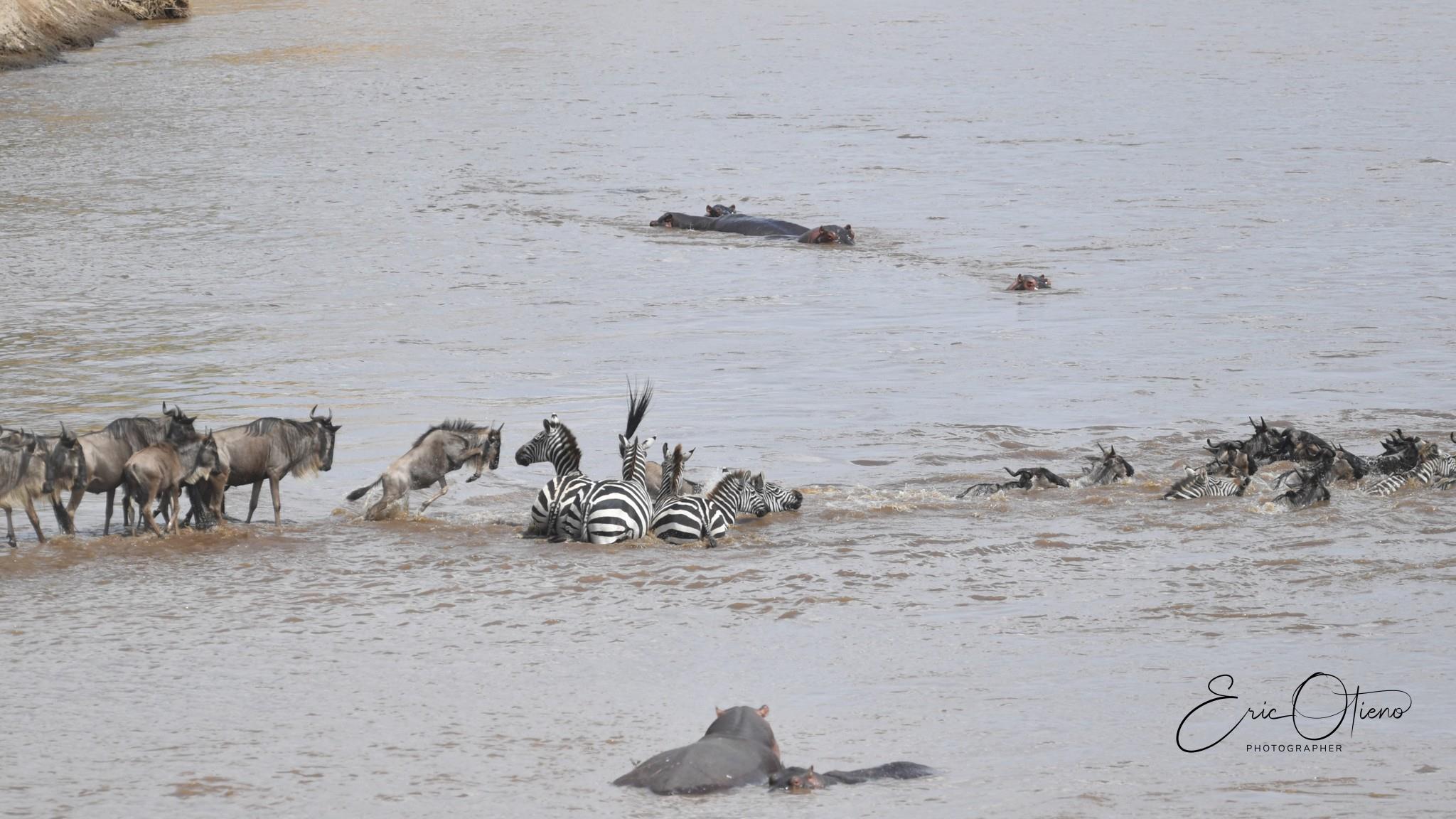
The reserve is rewarding year-round; the long dry period and the seasonal movement of wildebeest can create intense wildlife concentrations, while green months offer fewer vehicles in many areas, lush scenery and excellent birding.
Park rules have an ecological reason
Restrictions on off-road driving, drone use, collecting natural objects and approaching wildlife are not arbitrary inconveniences. They help protect habitat, reduce disturbance and keep visitor pressure manageable.
A guide should never be pushed to break a rule for a closer photograph. The quality of the experience is not measured only in metres from an animal.
Before you book or travel
- Follow park and conservancy rules even when another vehicle appears to ignore them.
- Do not collect natural objects or pressure guides to approach wildlife more closely.
- Ask who operates a conservation activity and what visitor participation actually involves.
- Treat rare species as wild animals, not guaranteed checklist items.
Frequently Asked Questions
Can I take natural souvenirs from a park?
Generally, leave stones, plants, feathers, bones and other natural materials where they are unless an authority explicitly says otherwise.
Do tourism fees support conservation?
In many protected areas, visitor revenue contributes to park or conservancy management, although the exact funding model differs by destination.
Can visitors handle rescued wildlife?
Do not assume so. Ethical conservation experiences are controlled by the responsible authority and animal welfare comes first.
Why are off-road and distance rules important?
They reduce habitat damage, crowding and wildlife disturbance. A closer view is not worth undermining the protected area.
Turn the answer into a workable itinerary
Tell ESA Safaris what you want the trip to feel like, not only where you want to go. That makes it easier to design a route with the right pace, activities and practical arrangements.